

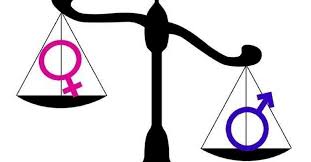
This article was authored by Pushkal Kathpalia, Partner at Kathpalia & Co.
India has enacted several laws to protect women from various forms of violence and discrimination, including dowry, sexual harassment, false rape accusations, domestic violence, and cruelty under Section 498A of the Indian Penal Code (IPC) (now Section 85 of BNS, 2023). While these laws are essential for safeguarding women’s rights, there is a growing concern about their misuse, which can lead to false allegations and abuse of legal provisions. This article explores the implications of such misuse, the legal mechanisms in place, safeguards to prevent abuse, and the broader societal impact.
- Dowry Laws and Misuse: Section 498A of the IPC (now Section 85 of BNS, 2023)
Section 498A of the Indian Penal Code (now Section 85 of BNS, 2023) was introduced in 1983 to protect married women from cruelty by their husbands or in-laws, particularly in relation to dowry demands. The law was intended to address the alarming rise in dowry-related violence and deaths.
Misuse: Despite its noble intent, Section 498A (now Section 85 of BNS, 2023) has been criticized for being prone to misuse. Some women have allegedly used the law as a tool for revenge or to exert pressure in matrimonial disputes. The section is non-bailable, non-compoundable, and carries a maximum sentence of three years and a fine, making it a potent weapon in the hands of those who misuse it. False accusations under Section 498A (now Section 85 of BNS, 2023) can lead to the arrest of the husband and his family members, often without sufficient investigation.
Safeguards:
- Preliminary Investigation: Following the Supreme Court’s guidelines in Arnesh Kumar vs. State of Bihar (2014)[1], police must conduct a preliminary investigation before making arrests under Section 498A to ensure the allegations are credible.
- Family Welfare Committees: The formation of Family Welfare Committees, as mandated by the Supreme Court, ensures that complaints under Section 498A are scrutinized before any legal action is taken.
- Mandatory Mediation: Introducing mandatory mediation or counseling sessions before filing a 498A case can help resolve disputes amicably and avoid unnecessary legal proceedings.
- Prosecution can be directed under Section 340 CrPC: When a wife misuses women-centric laws by declaring completely incorrect facts on oath, the trial court can direct her prosecution, at the time of considering the case, under Section 340 of the Code of Criminal Procedure, 1973[2]. The trial court can direct the initiation of prosecution against the wife under Section 195 IPC read with Section 340 of CrPC for committing offences under Sections 191, 192 and 193 of the Penal Code. The action can be taken under Section 340 of CrPC when it is expedient in the interests of justice, and the impact on the administration of justice by misuse of women-centric laws would make it expedient for the trial Court to direct the prosecution.
- Protection of Women from Domestic Violence Act, 2005
The Protection of Women from Domestic Violence Act (PWDVA), 2005, is a progressive piece of legislation aimed at providing immediate relief and protection to women who are victims of domestic violence. The Act covers a broad spectrum of domestic violence, including physical, emotional, sexual, verbal, and economic abuse.
Misuse: Despite its importance, there have been instances where the PWDVA has been misused. Some women have filed false complaints under this Act as a means of settling personal scores or exerting pressure in divorce or property disputes. The law allows for immediate relief such as protection orders, residence orders, and monetary compensation, which can sometimes be leveraged unfairly against the accused. The term “respondent” under Section 2(d) in the Protection of Women from Domestic Violence Act means any adult male person who is, or has been, in a domestic relationship with the aggrieved person and against whom the aggrieved person has sought any relief under this Act: Provided that an aggrieved wife or female living in a relationship in the nature of a marriage may also file a complaint against a relative of the husband or the male partner. This means that the wife can file a petition against the husband’s relatives also. She can demand for secure household and even force her husband to leave his own house as well.
Safeguards:
- Thorough Investigation: Courts should ensure that all complaints under the PWDVA are subjected to thorough investigation to verify the authenticity of the claims.
- Penalizing False Complaints: There should be stricter penalties for filing false complaints under the PWDVA, including charges of perjury and defamation, to deter misuse.
- Periodic Review of Orders: Protection and residence orders should be periodically reviewed by courts to ensure they are still warranted and not being misused.
- Expansive Definitions bound to be misused: Various definitions under Protection of Women from Domestic Violence Act are too expansive and hence bound to be misused. Therefore, they should be more precise and unbiased.
- Sexual Harassment at Workplace: Section 354A of the IPC (now Section 75 of BSA, 2023) and the Prevention of Sexual Harassment (POSH) Act, 2013
Section 354A of the IPC (now Section 75 of BSA, 2023) and the POSH Act, 2013 provide a robust framework to combat sexual harassment in the workplace. These laws are crucial in ensuring that women can work in safe environments without fear of harassment or abuse.
Misuse: There have been instances where allegations of sexual harassment have been made falsely, often as a form of retaliation or to settle personal scores. In such cases, the accused faces severe reputational damage, career setbacks, and emotional distress, even if later proven innocent.
Safeguards:
- Internal Complaints Committee (ICC): The POSH Act mandates the establishment of ICCs in organizations to handle sexual harassment complaints. Ensuring that these committees are trained and operate with impartiality is crucial to prevent misuse.
- Confidential Proceedings: Maintaining the confidentiality of proceedings can protect both the complainant and the accused, ensuring a fair investigation.
- Appeal Mechanism: Organizations should have a clear appeal mechanism in place for both parties if they are dissatisfied with the ICC’s findings, ensuring transparency and fairness in the process.
- False Rape Allegations: Sections 375 and 376 of the IPC (now Section 63 and 63 of BNS, 2023)
Sections 375 and 376 of the IPC (now Section 63, 64 and 65 of BNS, 2023) define and prescribe punishment for rape. These laws are among the most stringent in the IPC, with the aim of deterring sexual violence against women and ensuring justice for victims.
Misuse: False rape allegations, though less common, are a serious concern. These allegations can be motivated by personal vendettas, failed relationships, or even to blackmail the accused. The social stigma associated with rape can destroy the accused’s life, even if they are acquitted.
Safeguards:
- Strict Evidence Requirements: Courts should ensure that rape allegations are supported by credible evidence before proceeding with arrests or charges.
- Penalization for False Accusations: Strong legal action should be taken against individuals who file false rape accusations, including charges of defamation and perjury.
- Support for the Accused: Legal provisions should be in place to support the falsely accused, including expunging records and providing compensation for wrongful prosecution.
- Section 498A (now Section 85 of BNS, 2023) and the Implications of Misuse
Section 498A of the IPC (now Section 85 of BNS, 2023), specifically targeting cruelty against married women, has been one of the most misused provisions. The law, designed to protect women from physical and mental cruelty by their husbands or in-laws, is often invoked in disputes over dowry, marital discord, or even out of malice.
Misuse: The misuse of Section 498A (now Section 85 of BNS, 2023) has led to a significant number of false cases, where entire families, including elderly parents and even young children, are dragged into legal battles. These false cases often lead to unwarranted arrests, lengthy legal processes, and significant emotional and financial strain on the accused. The Hon’ble Supreme Court in Preeti Gupta v. State of Jharkhand[3], the Supreme Court observed: in Para 37 “serious relook of the entire provision is warranted by the legislature. It is a matter of common knowledge that exaggerated versions of the incident are reflected in a large number of complaints. The tendency of overimplication is also reflected in a very large number of cases.”
Safeguards:
- Family Welfare Committees: As directed by the Supreme Court, the establishment of Family Welfare Committees can help scrutinize complaints under Section 498A before legal action is taken.
- Bail Provisions: Courts should be more lenient in granting bail in 498A cases to prevent unnecessary harassment of the accused.
- Mediation Before Litigation: Encouraging mediation before filing a 498A case can help resolve disputes amicably and avoid legal escalation.
- Time has come to dilute the law: It is suggested that Section 498-A IPC (now Section 85 BNS, 2023) should be made non-cognizable and bailable looking at the ever increasing false complaints. In case of matrimonial disputes, the first recourse should be effective conciliation and mediation between the warring spouses and their families and recourse of filing charges under Section 498-A IPC may be resorted to in cases where such conciliation fails and there appears a prima facie case of Section 498-A IPC and other related laws.[4]
Societal and Legal Implications of Misuse
The misuse of women’s protection laws has far-reaching consequences for both individuals and society at large:
- Erosion of Credibility: False accusations undermine the credibility of genuine victims. When laws are misused, it becomes harder for true victims to be believed, which could deter them from coming forward.
- Legal System Overload: The judiciary and law enforcement agencies are burdened with an influx of false cases, diverting resources away from genuine cases that require attention.
- Impact on Families: False cases often lead to the breakdown of families, with innocent individuals suffering from social stigma, mental anguish, and financial ruin.
- Gender Relations: The misuse of these laws can exacerbate gender tensions, leading to a perception that men are unfairly targeted by legal provisions meant to protect women.
- Unfortunately, a man accused of domestic violence is considered guilty until proven innocent in contrary to normal principles of justice.
- Use of these laws as a favoured divorce tactic: A wife might deliberately provoke a husband with an ulterior gloat of gaining a very favourable divorce settlement
Recommendations for Addressing Misuse
- Strict Penalization of False Claims: Courts should take stringent action against those found to be misusing the law, including charges of perjury and defamation. This will serve as a deterrent to others who may consider filing false complaints.
- Judicial Reforms: Introducing more nuanced guidelines for the application of these laws can help prevent misuse. For instance, mandatory counseling sessions or mediation could be explored as a first step in marital disputes before invoking Section 498A (now Section 85 of BNS, 2023).
- Training and Awareness: Law enforcement agencies and the judiciary should be trained to distinguish between genuine and false cases, ensuring that innocent individuals are not wrongfully prosecuted. Public awareness campaigns can also educate people about the legal consequences of filing false claims.
- Strengthening Investigative Processes: The investigation process needs to be more thorough and evidence-based, with a focus on verifying the authenticity of the claims before taking legal action against the accused.
Conclusion
Women’s protection laws, including those addressing dowry, sexual harassment, rape, domestic violence, and cruelty under Section 498A (now Section 85 of BNS, 2023), are crucial for safeguarding the rights and dignity of women in India. However, the misuse of these laws poses a significant challenge, leading to false allegations that can devastate lives and families. It is essential for the legal system to strike a balance between protecting the rights of women and preventing the abuse of these laws. There is a sense of fear and insecurity among men, who find it difficult to repose faith in women or marriage. The data/information from various sources reveals that urban and educated women are mostly coming forward to file the complaints under the domestic violence laws. Unfortunately, a man accused of domestic violence is considered guilty until proven innocent in contrary to normal principles of justice. Most importantly, fraudulent claims of domestic violence are common and unpunished in many States. It is also a favoured divorce tactic in many States. It can be said that provocation of spousal abuse by a woman is encouraged by these laws. Often, a wife might deliberately provoke a husband with an ulterior gloat of gaining a very favourable divorce settlement. By implementing stricter safeguards, penalizing false claims, and ensuring fair investigations, the judiciary can uphold justice for all while maintaining the integrity of these vital legal protections.
[1] [2014] 8 S.C.R. 128
[2] Sejalben Tejasbhai Chovatiya v. State of Gujarat,[ 2016 SCC OnLine Guj 6333]
[3] (2010) 7 SCC 667
[4] 243rd Law Commission Report